
Intermittent fasting (IF) has gained popularity among health enthusiasts in Canada and around the world. By alternating periods of eating and fasting, many people experience benefits like improved insulin sensitivity, enhanced cellular repair (autophagy), and better weight management. At the same time, CBD gummies have become a convenient way to integrate cannabidiol (CBD) into daily wellness routines, offering potential relief from stress, anxiety, and inflammation. This post explores how to enjoy CBD gummies without disrupting your fasting window, ensuring you reap the rewards of both IF and CBD.
Understanding Intermittent Fasting
Intermittent fasting refers to eating patterns that cycle between periods of consuming calories and abstaining from food. Instead of focusing on what you eat, IF emphasizes when you eat. Popular schedules include 16:8 (16 hours fasting, 8 hours feeding), 18:6, and 5:2 (normal eating five days per week, restricted calories two days per week).
Types of Fasting Windows
Different fasting protocols cater to various lifestyles and goals. The 16:8 method is accessible for beginners: skip breakfast and eat between noon and 8 p.m. The 18:6 approach tightens the feeding window to six hours, often from 1 p.m. to 7 p.m. Alternate-day fasting involves 24-hour fasts every other day. More advanced regimens include 5:2 fasting, where participants limit calories (~500–600) on two non-consecutive days each week.
What Breaks a Fast? Caloric and Insulin Responses
When fasting, the body switches from glucose metabolism to fat-derived ketones. Consuming anything with significant calories—even a few grams of sugar—can spike insulin levels and halt autophagy, the cellular repair process promoted by fasting. Typically, any food or drink with more than 50 calories is considered enough to break most fasts. Even sugar-free products that contain artificial sweeteners can trigger an insulin response. Therefore, understanding how CBD gummies fit into this framework is crucial for maintaining the benefits of your fasting window.
Introducing CBD Gummies
CBD gummies are edible candies infused with cannabidiol (CBD), a non-psychoactive compound from hemp. Unlike THC, CBD does not produce a “high.” Instead, it interacts with the endocannabinoid system—a network of receptors involved in regulating mood, sleep, and inflammation—potentially supporting overall wellness.
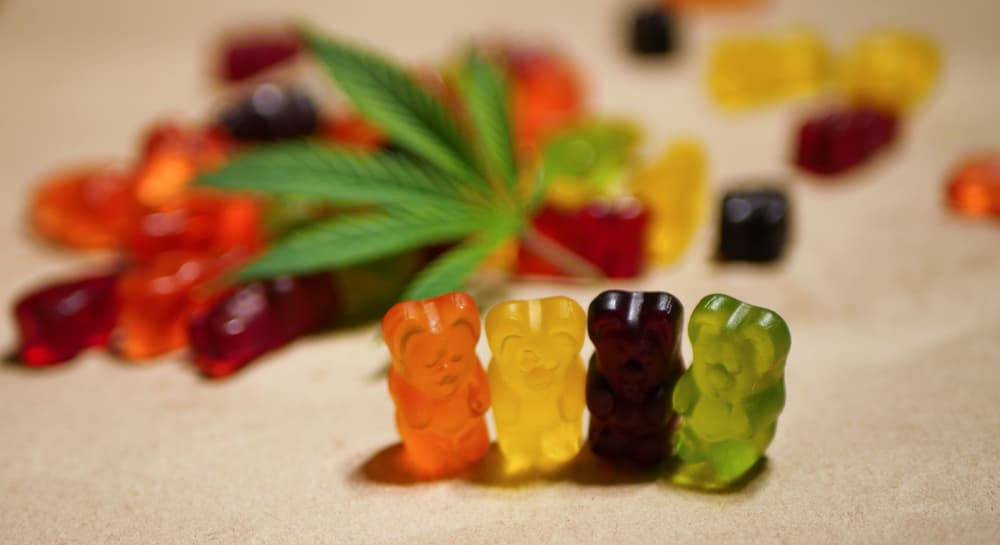
What Are CBD Gummies?
CBD gummies are pre-dosed chewable edibles, available in various flavors, shapes, and potencies. They typically contain:
- CBD isolate or full-spectrum CBD extract
- Carrier oils like MCT (medium-chain triglycerides)
- Flavoring agents, often natural fruit extracts
- Sweeteners, which may be sugar-based or sugar-free
Because they come in consistent doses—often 10, 20, or 25 mg of CBD per gummy—users can easily control their intake and track effects.
Nutritional Profile and Ingredients
A standard CBD gummy usually contains 80–100 calories, largely from sugars or sweeteners. Ingredients often include:
- Cane sugar or corn syrup (in regular gummies)
- Pectin or gelatin as gelling agents
- Citric acid for tartness
- Natural or artificial flavorings and colors
Sugar-free versions replace cane sugar with alternatives like erythritol, inulin, or stevia, which may have lower impact on blood glucose but can still affect insulin response depending on individual sensitivity.
Do CBD Gummies Break Your Fast?
Whether a CBD gummy breaks your fast depends on factors like composition, calorie count, and your fasting goals. If you’re practicing fasting strictly to maintain ketosis or to maximize autophagy, any caloric intake—including from a gummy—can disrupt these processes.
Impact of Sugar and Calories on Fasting
Regular CBD gummies often contain 10–15 grams of sugar, equating to roughly 40–60 calories. Even this moderate caloric load can trigger an insulin response, pushing the body out of fat-burning mode and into digestive metabolism. For someone fasting under a 16:8 protocol for weight loss or blood sugar control, consuming a single 80-calorie gummy in the fasting window would break the fast.
Effects on Insulin and Autophagy
Insulin is the hormone responsible for shuttling glucose from the bloodstream into cells. When you consume sugar or sugar substitutes, insulin levels rise. Elevated insulin halts autophagy since the body shifts focus from cellular repair to processing the incoming nutrients. In short, eating a CBD gummy during a fasted state interrupts the metabolic switch essential for many fasting benefits.
Strategies to Enjoy CBD During Fasting
To leverage CBD’s benefits without breaking a fast, consider the following strategies.
Use Within Eating Window
The simplest approach is to consume CBD gummies during your feeding window. For example, if you follow a 16:8 schedule (noon to 8 p.m. eating), take your gummy anytime after noon. This ensures you remain in a fasted state during the 16-hour fasting period, preserving ketosis and autophagy.
Choose Zero-Calorie or Sugar-Free Formulations
Some companies now offer zero-calorie CBD chews or sugar-free gummies sweetened with natural, non-glycemic ingredients like erythritol or stevia. While these reduce sugar intake, it’s important to monitor your own insulin response, as certain sugar alcohols can still provoke a modest release of insulin in sensitive individuals. Always check labels for carbohydrate content; ideally, look for gummies with 0 grams of net carbs.
Alternative CBD Formats for Fasting
If you need CBD during fasting hours but want to avoid any caloric or glycemic impact, opt for tinctures or capsules. A sublingual CBD oil dropper usually contains little to no calories since it’s primarily pure CBD isolate dissolved in MCT oil—about 10 calories per milliliter, but taken in very low volumes (0.5–1 ml). This minimal caloric load is often considered acceptable for most fasts. CBD capsules, if formulated with zero-calorie fillers, can also fit within fasting rules.
Benefits of Combining CBD with Fasting
Integrating CBD into a fasting regimen can amplify certain wellness benefits, especially for Canadian business owners juggling busy schedules and stress.
Enhanced Stress Management and Mood Balance
Fasting can sometimes increase irritability or anxiety, especially during the initial adaptation phase. CBD’s anxiolytic effects involve modulating 5-HT1A serotonin receptors and lowering cortisol levels. Taking CBD—either during feeded periods or via a low-calorie tincture during fast—can help stabilize mood, making it easier to adhere to your fasting protocol.
Support for Appetite Control
During fasting, hunger pangs and cravings can derail the process. Some studies suggest CBD influences endocannabinoid receptors in appetite regulation centers, potentially reducing the urge to snack. By taking a small dose of CBD before a fasting window begins, you may experience fewer hunger spikes and more controlled ghrelin (hunger hormone) levels.
Tips for Choosing Fasting-Friendly CBD Gummies
When selecting gummies that won’t sabotage your fast, consider the following guidelines:
Reading Labels and Checking Carbs
Always scrutinize the nutrition facts panel. Look for:
- Total carbohydrates: Ideally, select gummies with 0–1 gram of net carbs per serving.
- Sugars and sugar alcohols: If labeled “sugar-free,” confirm what sweeteners are used and research their impact on insulin.
- Additional ingredients: Avoid gummies with high-fructose corn syrup, maltodextrin, or dextrose, as these will spike blood glucose.
Third-Party Testing and Quality Assurance
Choose brands that provide third-party lab results verifying:
- CBD purity and concentration (e.g., 10 mg or 20 mg per gummy)
- Absence of THC (below 0.3% to comply with Canadian regulations)
- No contaminants: heavy metals, pesticides, or microbial toxins
High-quality, transparent products ensure you get pure CBD without extra additives that could break your fast.
Sample CBD-Fasting Routine
Putting theory into practice, here’s a sample routine for someone using a 16:8 fasting protocol and wanting to include CBD:
- 6:00 a.m.: Wake up, drink water, maybe black coffee or plain tea (zero calories).
- Noon: Break fast with a light meal (e.g., vegetable omelet) and take one CBD gummy (10 mg).
- 3:00 p.m.: If needed, take another CBD gummy or a sugar-free CBD chew for mid-day anxiety support.
- 6:00 p.m.: Finish eating window after a balanced dinner; optionally take CBD tincture (0.5 ml) sublingually for better sleep and overnight autophagy support.
- 8:00 p.m.: Fasting begins; if anxiety spikes later, take a 0.5 ml CBD tincture (≈5 mg CBD, roughly 5 calories).
- Next Morning: Continue fasting period until noon, focusing on hydration with water and electrolytes.
This schedule ensures all gummies are consumed within the eating window, while a minimal-calorie tincture can ease nighttime discomfort without significantly impacting fasting benefits.
Read Also : How CBD Gummies Can Support Your Daily Wellness Routine
Conclusion
CBD gummies and intermittent fasting can coexist—provided you understand how calories and sugar affect your fast. By reserving gummies for your feeding window or choosing sugar-free, low-carb formulations, you maintain the metabolic benefits of fasting, such as ketosis and autophagy. For true zero-impact, sublingual CBD tinctures or capsules offer a near-calorie-free solution during fasting hours. Combining CBD’s stress-reducing and appetite-control properties with IF’s health advantages can help Canadian business owners better manage wellness, focus, and energy. Always check labels, consult a healthcare provider if you’re on medication, and monitor your body’s response as you fine-tune your CBD-fasting routine. With thoughtful planning, you can enjoy the best of both worlds: the transformative benefits of intermittent fasting and CBD’s supportive effects for mind and body.