
The world of cannabidiol (CBD) can seem overwhelming at first. With a growing number of products available, from oils and tinctures to capsules and topicals, choosing the right one can be a challenge. CBD gummies, however, have emerged as a popular option, particularly among those who dislike the earthy taste of natural CBD oil or find it difficult to measure precise doses.
But are CBD gummies right for you? How do they compare to other CBD products? In this three-part blog series, we’ll explore the various ways to consume CBD, weigh the pros and cons of CBD gummies, and help you find the perfect product to meet your needs.
Legality of CBD in Canada
In 2018, Canada legalized cannabis for recreational use. This legalization also applies to CBD products, as long as they meet specific requirements. Here’s a quick rundown of the legal landscape for CBD in Canada:
- CBD is legal to possess and consume in Canada.
- All CBD products must be produced from industrial hemp, containing less than 0.3% THC (tetrahydrocannabinol, the psychoactive compound in cannabis).
- CBD products must be labeled according to Health Canada regulations, including the amount of CBD per serving and the total THC content.
- CBD products cannot be marketed for medical purposes.
Understanding CBD Delivery Methods
The way you consume CBD can significantly impact how it affects you. Here’s a brief overview of the most common CBD delivery methods:
- Oils and Tinctures: Absorbed sublingually (under the tongue), offering fast-acting effects. They come in various concentrations, allowing for precise dosing. However, the taste can be unpleasant for some users.
- Capsules and Softgels: An odorless and tasteless option, similar to taking a daily vitamin. They offer a convenient and mess-free way to consume CBD, but absorption can be slower than sublingual methods.
- Topicals: Applied directly to the skin, targeting specific areas of discomfort. Topicals are a good choice for localized pain relief, but they may not be as effective for addressing systemic issues.
- Edibles: Including CBD gummies, brownies, and baked goods. Edibles take longer to kick in (typically 30-60 minutes) but offer long-lasting effects. They can be a tasty and convenient option, but dosing can be imprecise due to variability in absorption.
What are CBD Gummies?

CBD gummies are infused with cannabidiol (CBD), a non-psychoactive compound found in the cannabis plant. They resemble regular fruit chews or gummy bears, but are infused with a measured amount of CBD. Unlike THC, CBD does not produce a “high,” but it may offer a range of potential health benefits.
Benefits of CBD Gummies
- Discreet and Convenient: CBD gummies are small, portable, and easy to take on the go. Unlike oils or tinctures, they don’t require any special measuring or application.
- Palatable: CBD gummies come in a variety of flavors, masking the earthy taste of natural CBD oil.
- Dosing Control: Many CBD gummies are pre-measured, offering a consistent dose of CBD with each serving.
Drawbacks of CBD Gummies
- Slower Absorption: Edibles like CBD gummies take longer to be absorbed into the bloodstream than sublingual methods like oils or tinctures. This can make it difficult to gauge the effects and may lead to overconsumption.
- Variability in Dosing: Absorption rates can vary depending on factors like metabolism and recent meals. This can make it challenging to achieve a precise dose.
- Not Ideal for Everyone: People with certain medical conditions or who are taking medications should consult with a healthcare professional before using CBD gummies. CBD may interact with some medications.
CBD Gummies vs. Oils/Tinctures
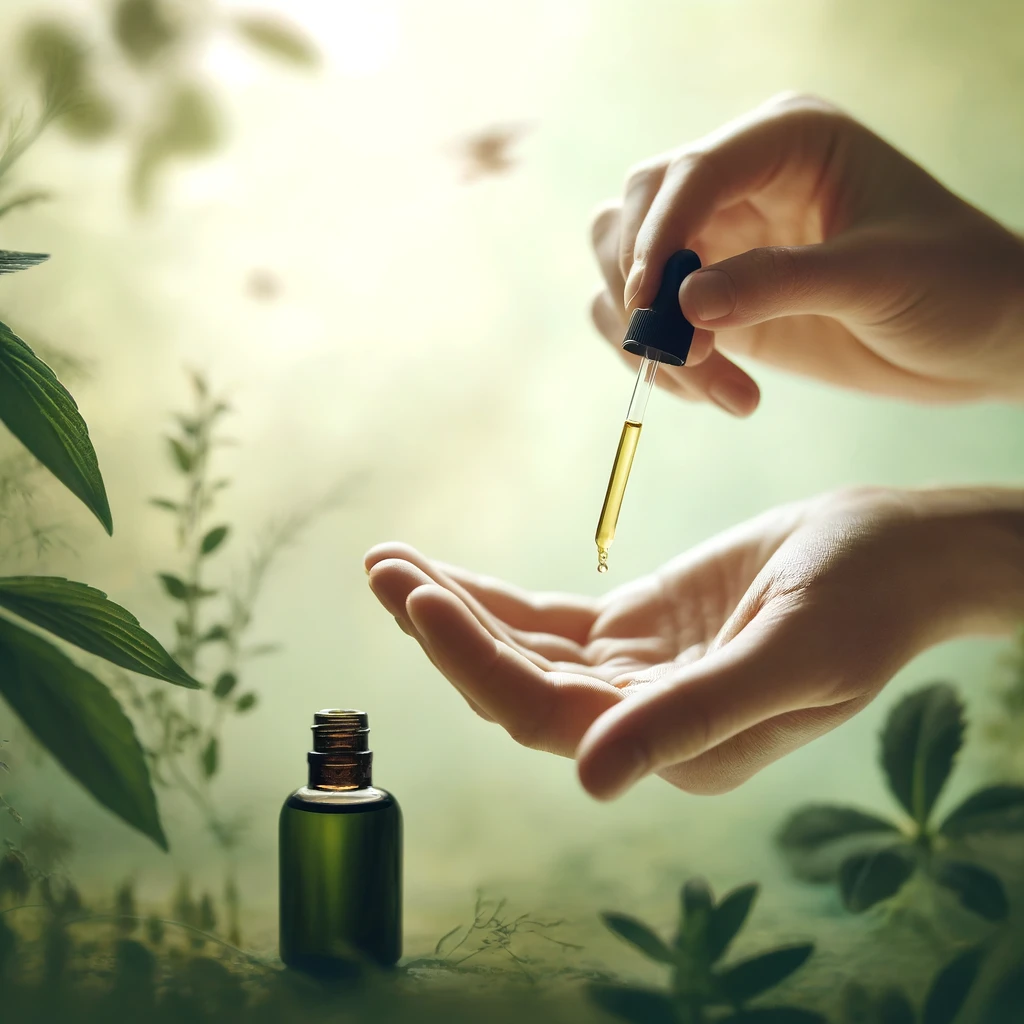
- Absorption: CBD oils and tinctures are absorbed sublingually, meaning they enter the bloodstream directly through the tissues under your tongue. This bypasses the digestive system, leading to faster effects (typically within 15-30 minutes). CBD gummies, on the other hand, need to be digested first, resulting in a slower onset (usually 30-60 minutes).
- Dosing: Oils and tinctures offer the most precise dosing control. They come with droppers that allow you to measure out exactly how much CBD you want to consume. CBD gummies typically come pre-measured, but absorption rates can vary, making precise dosing a challenge.
- Flavor: Oils and tinctures often have an earthy taste that some users find unpleasant. CBD gummies come in a variety of flavors, masking the taste of CBD.
- Discretion: Oils and tinctures require careful handling and can be messy to use. CBD gummies are discreet and easy to take on the go.
Who should choose CBD oils/tinctures?
- Those seeking fast-acting relief.
- Individuals who need precise dosing control.
- Users who don’t mind the earthy taste of natural CBD.
Who should choose CBD gummies?
- People who find CBD oils/tinctures unpalatable.
- Those who prefer a convenient and discreet way to consume CBD.
- Individuals who don’t require immediate effects and are comfortable with a slower onset.
Read- CBD GUMMIES VS CBD OIL
CBD Gummies vs. Capsules/Softgels
- Absorption: Similar to CBD gummies, capsules and softgels need to be digested first, leading to a slower onset (generally 30-60 minutes).
- Dosing: Capsules typically come pre-measured, offering consistent dosing. However, unlike gummies, they may not come in varying potencies.
- Flavor: Capsules and softgels are odorless and tasteless, making them a good option for those who dislike the taste of CBD.
- Discretion and Convenience: Both capsules and gummies are discreet and convenient to take on the go.
Who should choose CBD capsules/softgels?
- Individuals who prefer a tasteless and odorless option.
- Those who value consistent dosing.
- Users seeking a convenient and discreet way to consume CBD.
Who should choose CBD gummies?
- People who find capsules difficult to swallow.
- Those who prefer a wider variety of potencies and flavors.
The Verdict: Choosing the Right CBD Product
There’s no one-size-fits-all answer when it comes to choosing a CBD product. The ideal option depends on your individual needs, preferences, and desired effects.
Here are some key factors to consider:
- Desired Onset: If you need fast-acting relief, CBD oils or tinctures may be the better choice.
- Dosing Control: For the most precise dosing, consider oils/tinctures. If you prefer pre-measured options, capsules or gummies may be suitable.
- Taste: If you dislike the earthy taste of natural CBD, capsules, softgels, or gummies are better choices.
- Convenience and Discretion: For ease of use and portability, capsules and gummies are ideal.
Remember, consulting with a healthcare professional before using CBD products is crucial, especially if you have any underlying health conditions or are taking medications. They can help you determine the appropriate dosage and delivery method for your specific needs.
The Potential Benefits of CBD
While research on CBD is ongoing, there’s growing evidence suggesting its potential to address a range of health concerns. Here’s a glimpse into some of the potential benefits associated with CBD use:
- Pain Relief: CBD may offer relief from chronic pain conditions like arthritis, migraines, and muscle soreness. It may work by interacting with the body’s endocannabinoid system, which plays a role in pain perception.
- Reduced Anxiety and Depression: Studies suggest CBD may help manage symptoms of anxiety and depression. It may promote relaxation and improve mood regulation.
- Improved Sleep: CBD may have sleep-promoting effects, helping individuals fall asleep faster and experience more restful sleep.
- Antioxidant and Anti-inflammatory Properties: CBD exhibits antioxidant and anti-inflammatory properties, potentially reducing oxidative stress and inflammation in the body. This may benefit various conditions like inflammatory bowel disease and skin conditions like eczema.
- Seizure Reduction: High-CBD strains of cannabis have been shown to be effective in reducing the frequency and severity of seizures in patients with epilepsy, particularly in children.
Important Considerations
It’s important to remember that CBD research is still evolving. While the potential benefits are promising, more studies are needed to fully understand the long-term effects of CBD use. Additionally, CBD may interact with certain medications. Always consult with your doctor before using CBD products, especially if you have any underlying health conditions or are taking medications.
The Future of CBD
The CBD market is rapidly growing, with new products and formulations emerging all the time. As research on CBD continues, we can expect a deeper understanding of its therapeutic potential and its role in promoting overall health and well-being.
Conclusion
Choosing the right CBD product depends on your individual needs and preferences. Whether you opt for convenient and tasty CBD gummies, precise-dosing oils, or odorless capsules, there’s a CBD delivery method to suit you. By considering factors like desired onset, dosing control, taste, and convenience, you can find the perfect CBD product to support your wellness journey. Remember, consult with your doctor before starting any new CBD regimen, especially if you have any health concerns.